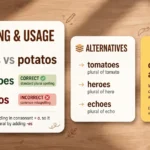
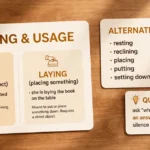
Theirself or themself — is "theirself" a word? Compare both singular reflexives, learn why "themselves" wins in formal writing, and what to use instead.
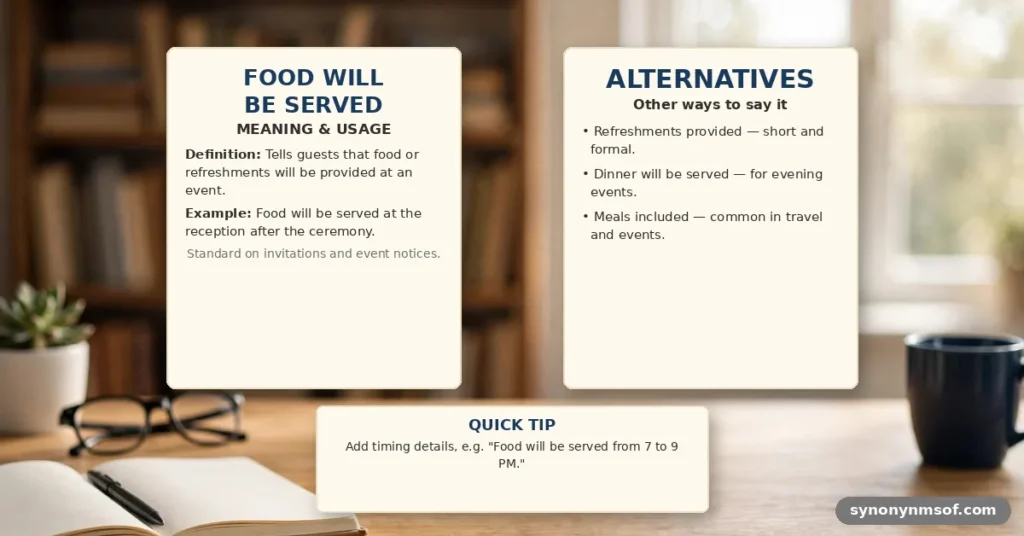
When an invitation notes that food will be served, guests immediately understand that they do not need to eat before arriving. This phrase serves as a practical indicator for event…
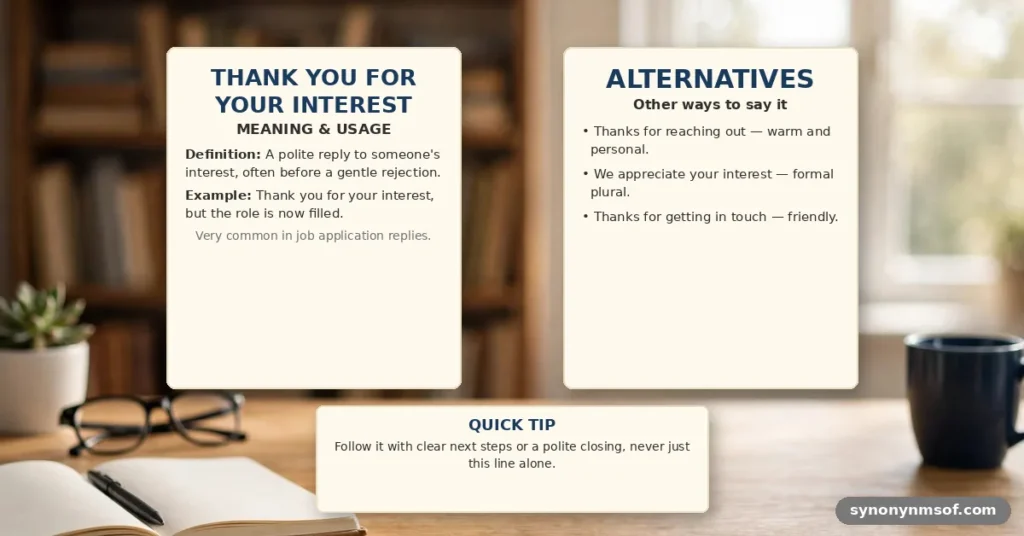
Receiving a message that says "thank you for your interest" is a common milestone in professional correspondence. Whether you are applying for a new job, inquiring about a service, or…
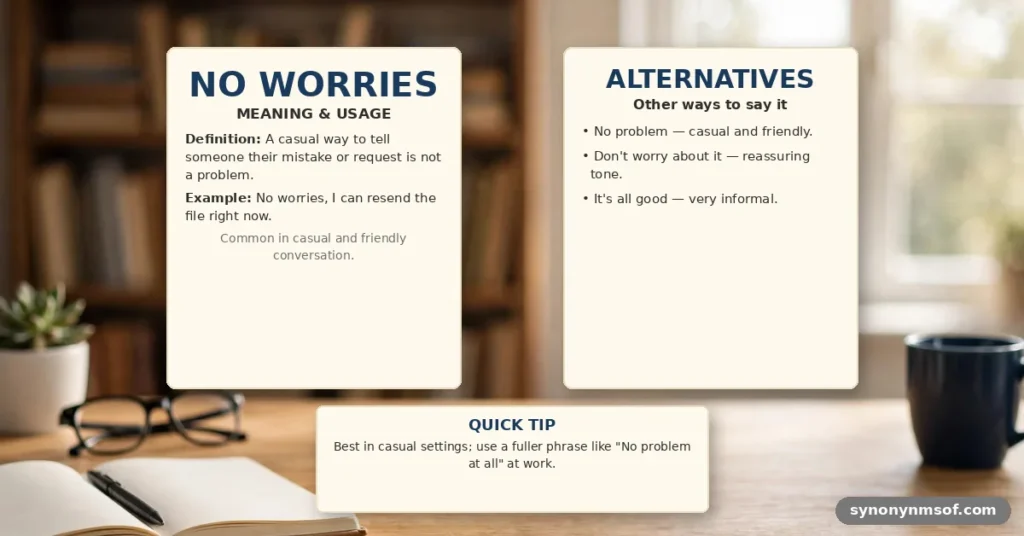
You have likely heard the phrase no worries thrown around in casual conversation, especially when someone is responding to an apology or a request. It has become a staple of…
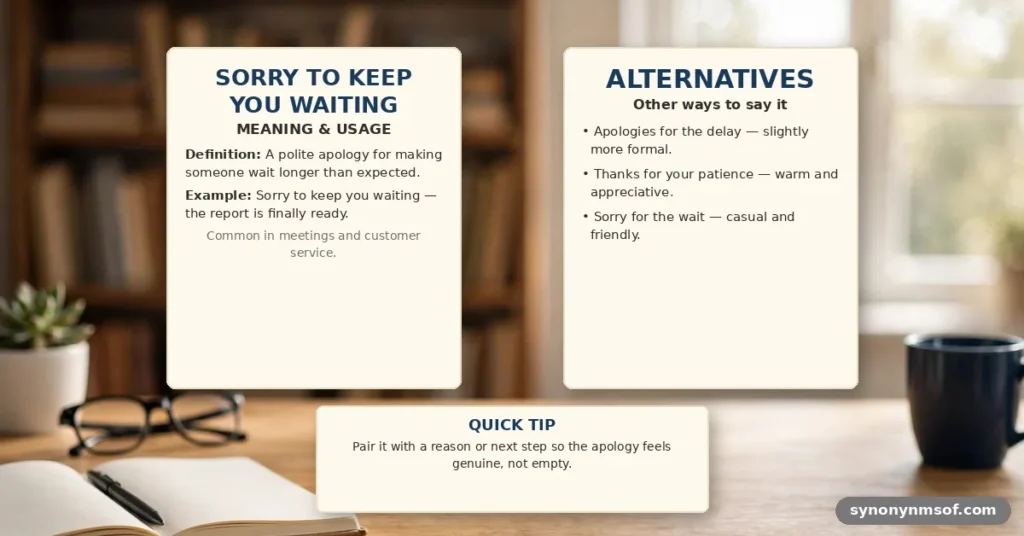
When you find yourself saying, "Sorry to keep you waiting," you are acknowledging a lapse in time that has impacted someone else’s day. This common English expression serves as a…
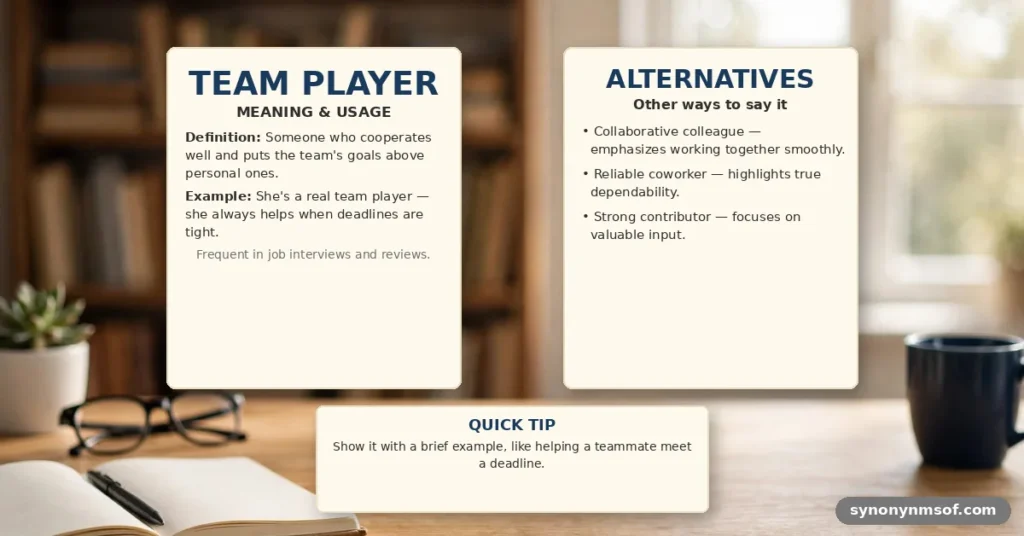
Understanding the core components of a team player: meaning, examples, and workplace tips is essential for anyone looking to advance their career in a collaborative environment. Being a team player…
When you receive a cold email or a query from a potential client, sending a thoughtful reply is the first step toward building a lasting connection. Using a phrase like…
When you use the phrase if time permits, you are offering a polite way to suggest a task without demanding immediate priority. This subtle expression helps manage expectations by acknowledging…
Understanding the phrase "this is to inform you"—its meaning and email examples—is essential for anyone aiming to project authority and clarity in a corporate setting. Many people rely on this…
Understanding the phrase "I hope" reveals a deep-seated human desire for a positive outcome, though its frequent use often dilutes the strength of your communication. By exploring I hope: meaning,…
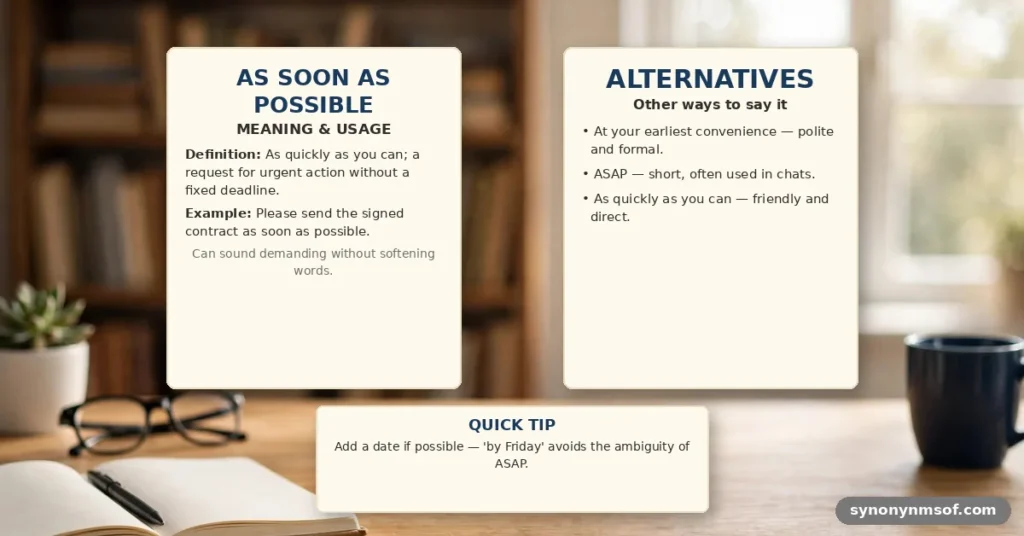
Using the phrase as soon as possible often feels like a standard reflex in workplace communication, yet it frequently carries unintended baggage. You might think you are simply conveying urgency,…