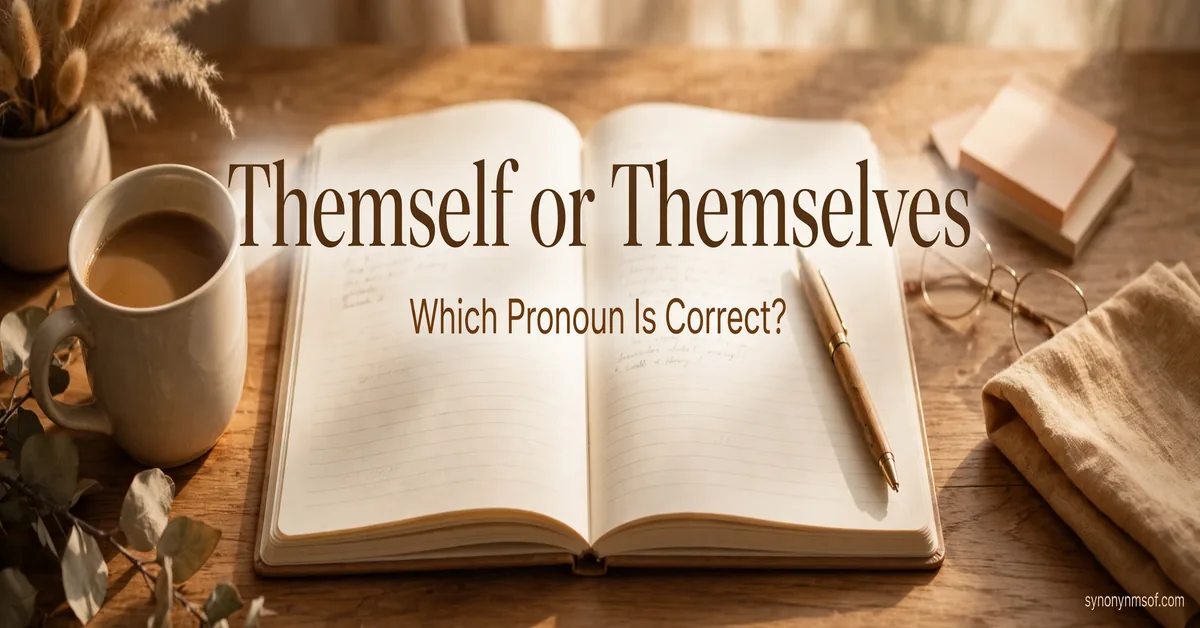
Theirself or themself — is "theirself" a word? Compare both singular reflexives, learn why "themselves" wins in formal writing, and what to use instead.
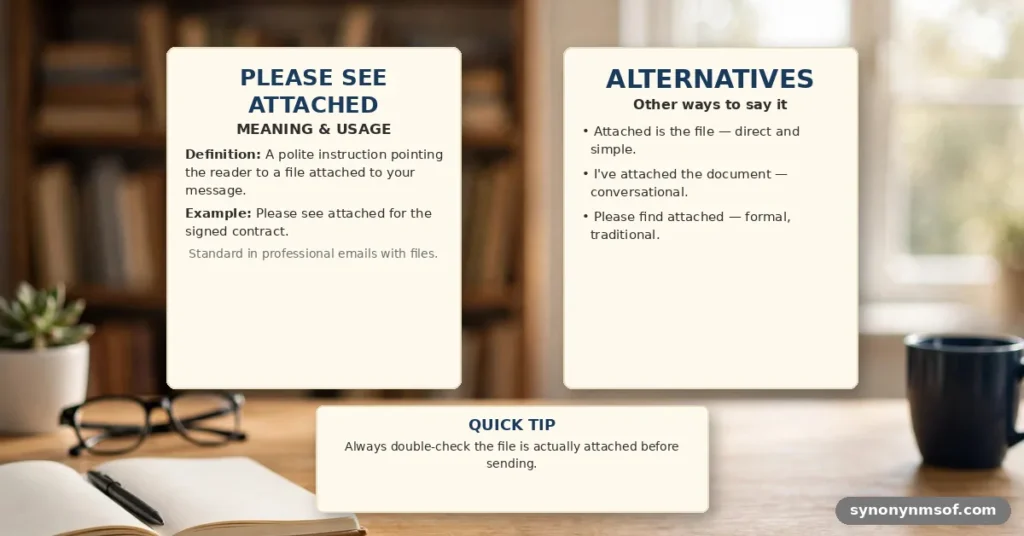
Finding the right phrasing when sending documents is a common hurdle, but using please see attached: professional alternatives and examples can immediately improve your email clarity. The most direct and…
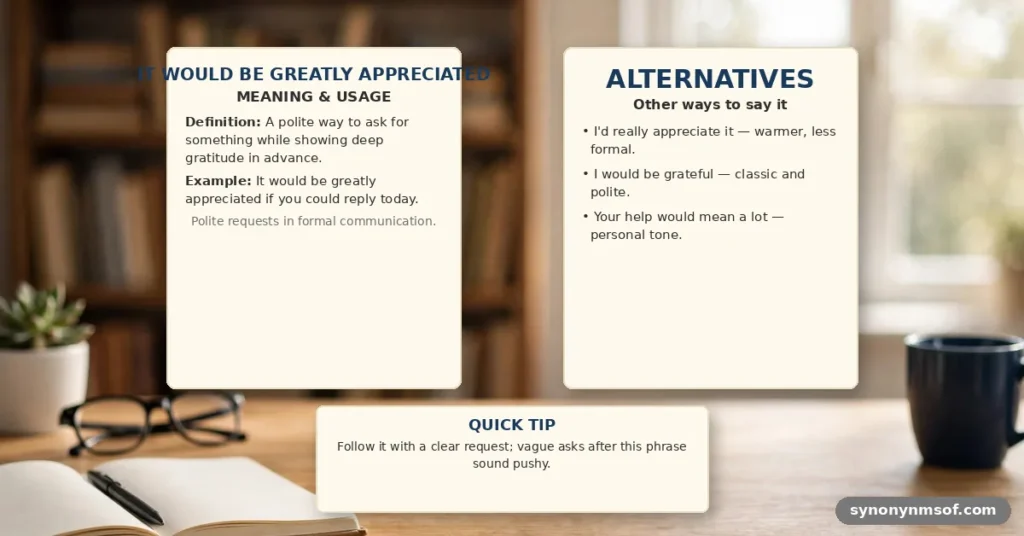
Finding the right tone in professional correspondence is difficult, and knowing when to use the phrase "it would be greatly appreciated: better ways to say it" can fundamentally change how…
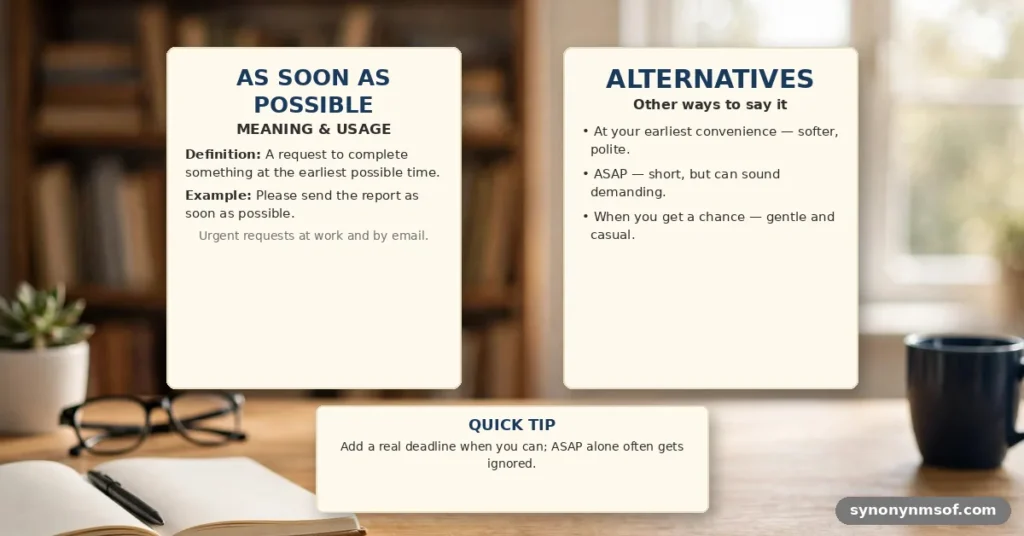
Understanding the nuance of as soon as possible: meaning, usage, and alternatives is essential for anyone aiming to communicate clearly in a professional environment. While the phrase is common, it…
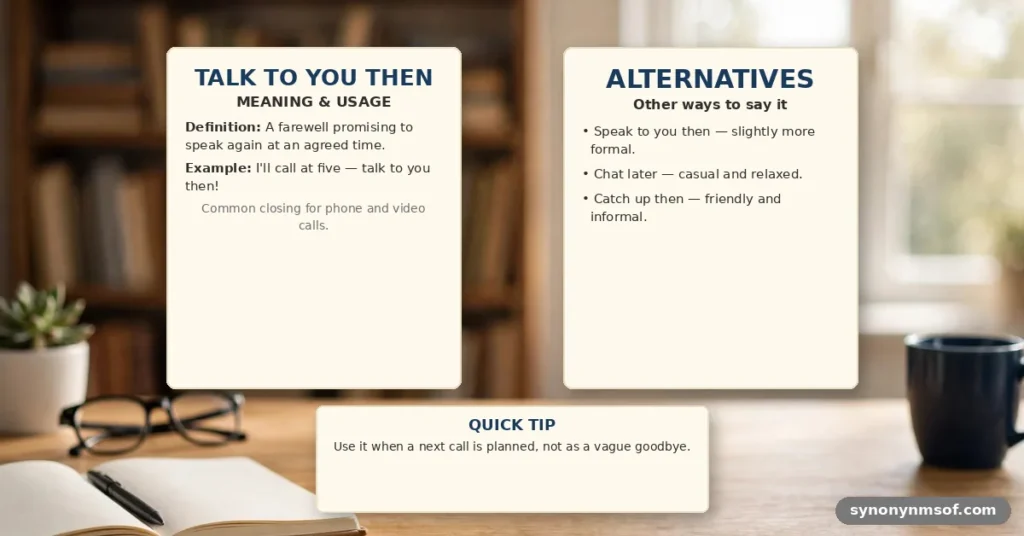
Understanding the phrase "talk to you then" is essential for clear communication, as the expression functions as a definitive marker for a future conversation. By exploring the meaning, examples, and…
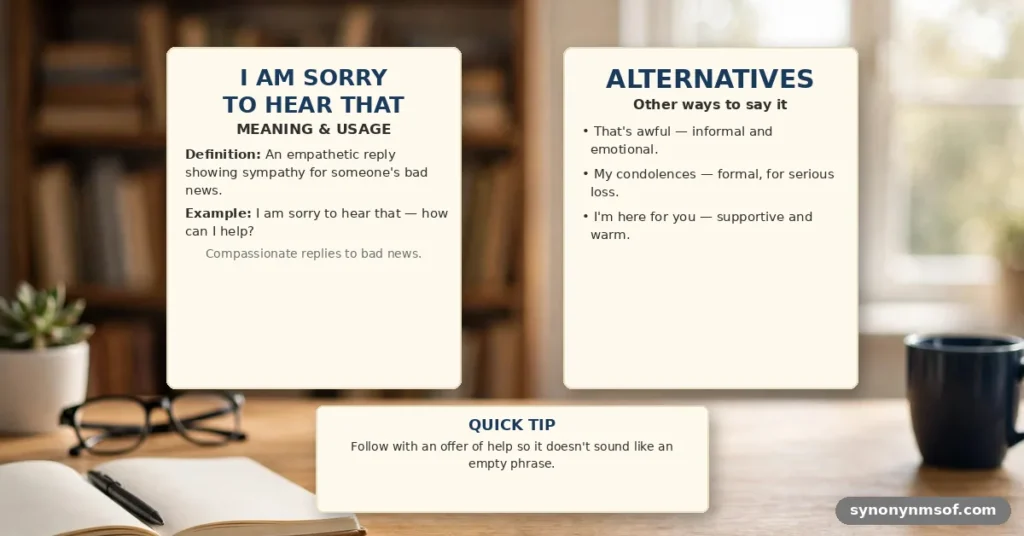
Learning how to use the phrase I am sorry to hear that: meaning and thoughtful replies helps you bridge gaps during difficult conversations. It is a standard expression of empathy…
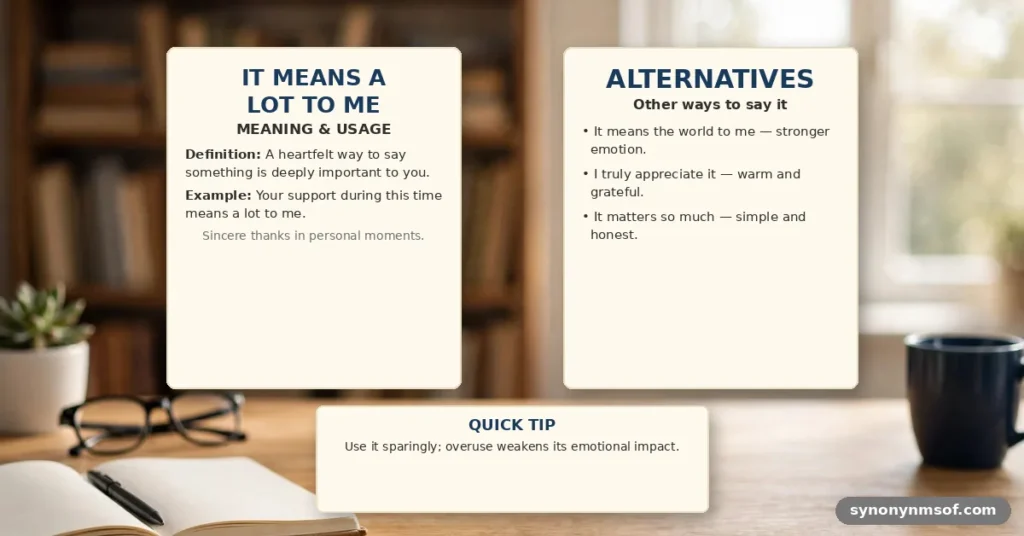
When someone tells you, "It means a lot to me," they are expressing that an action, gift, or sentiment has created a significant emotional impact on their life. Understanding the…
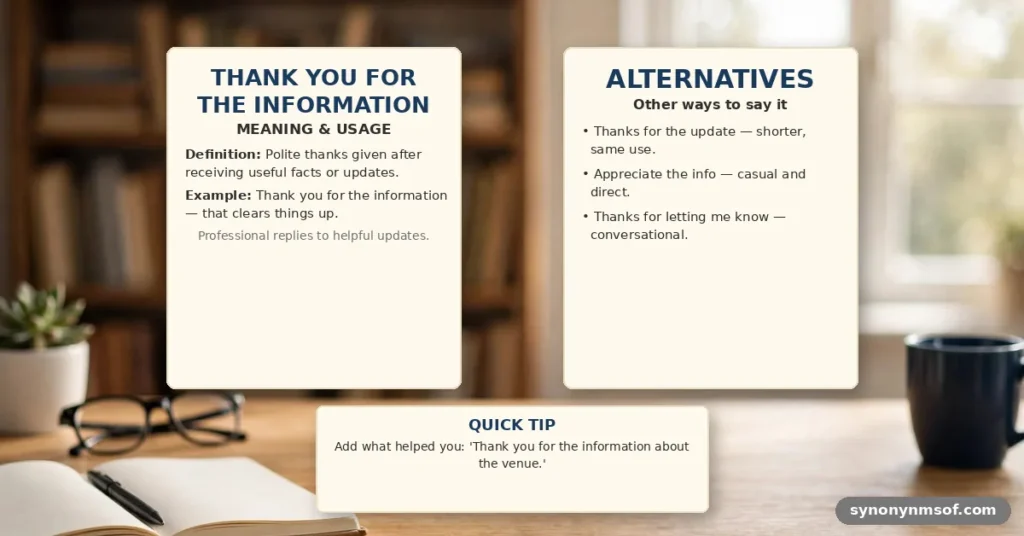
Understanding the nuance of a phrase like "thank you for the information: meaning & examples" helps you maintain professional boundaries and build stronger workplace relationships. Using the right words at…
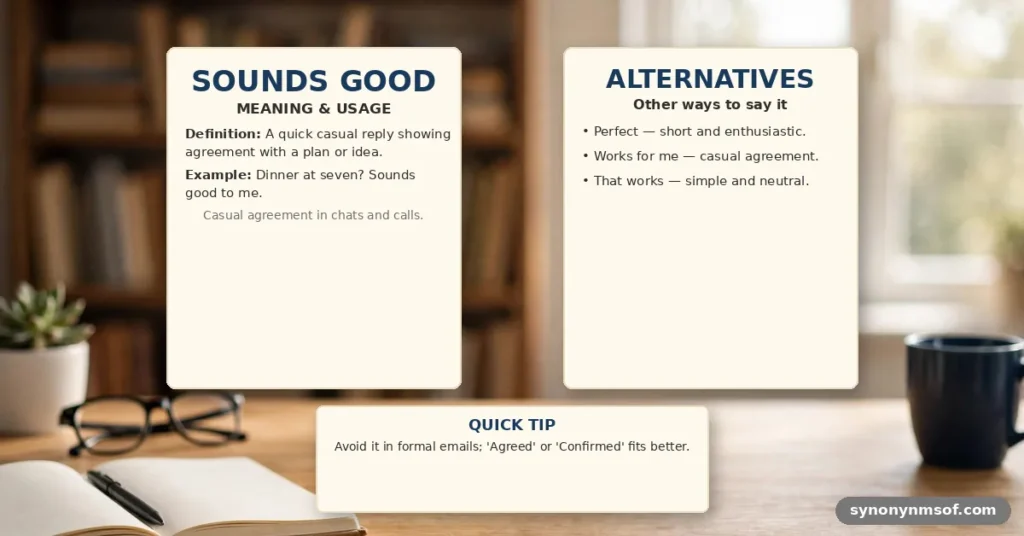
Understanding the nuances of "Sounds Good: Meaning, Replies, and Better Alternatives" is essential for anyone looking to refine their digital and verbal communication. This phrase functions as a versatile acknowledgment…
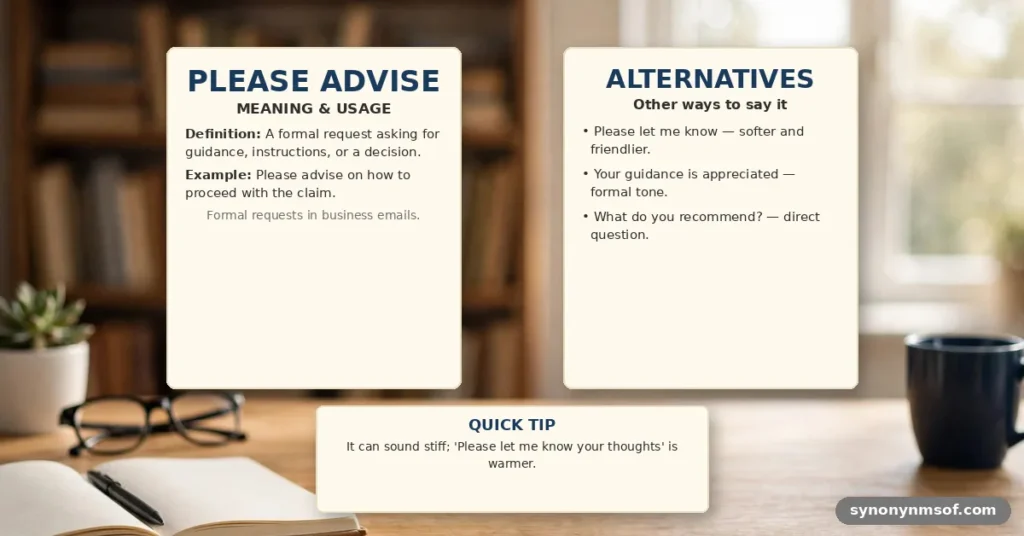
Understanding the proper use of phrases like please advise: meaning, examples, and professional alternatives is essential for maintaining clear and effective workplace communication. While this common business idiom is intended…
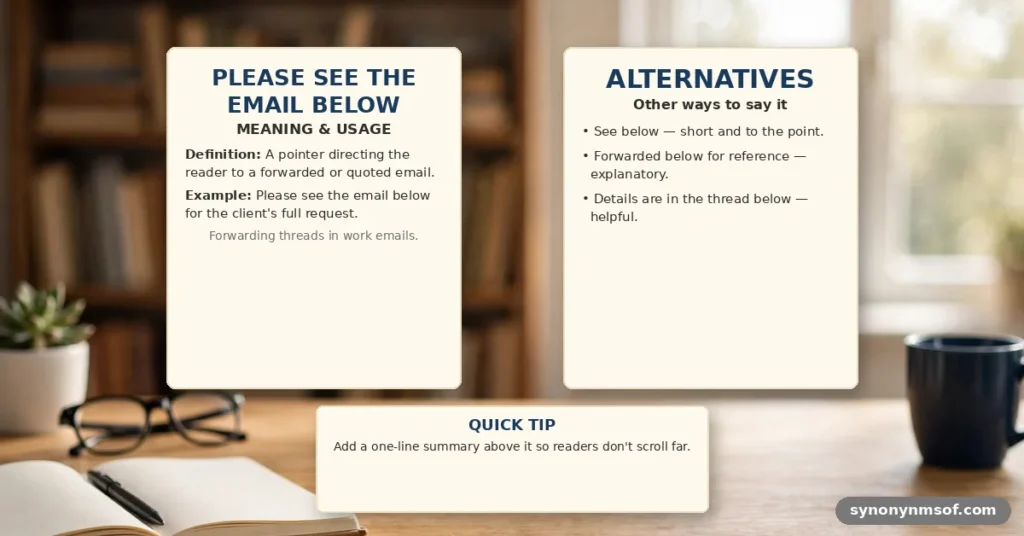
Have you ever caught yourself writing "Please see the email below" in almost every forwarded message? You're not alone. It's one of the most commonly used phrases in professional emails…