
When you need to signal urgency in a professional setting, relying on the standard abbreviation ASAP often feels too blunt or even demanding. Finding formal ways to say as soon as possible requires balancing your need for a quick turnaround with the necessity of maintaining respectful, clear communication.
Whether you are emailing a high-profile client or checking in with a busy manager, the phrasing you choose sets the tone for the entire project. This guide provides the tools to help you request timely action while preserving your professional reputation.
The core objective is to convey that you value the other person’s time while highlighting that a task is a priority. Using the right language ensures your request doesn’t come across as an order, which could otherwise damage a working relationship. By selecting the correct phrase, you demonstrate emotional intelligence and respect for the recipient’s workflow.
Understanding the Need for Urgency

The phrase as soon as possible is technically neutral, but it carries significant baggage in modern offices. Many professionals perceive it as a subtle nudge or a sign of impatience.
When you use it, you might inadvertently signal that the recipient’s current priorities are less important than your own. This often leads to unnecessary friction, especially when the recipient is already managing a heavy workload.
In high-stakes environments, communication is about clarity and expectation management. Instead of demanding speed, you should aim to explain the “why” behind your request.
Providing context—such as a looming deadline or a specific client requirement—is often more effective than simply asking for something fast. This approach transforms a potential demand into a collaborative effort.
Polite Ways to Request Speed
Softening your language is the best way to maintain a positive rapport. When you want to encourage a prompt response without sounding pushy, focus on phrases that emphasize the recipient’s schedule. These options are ideal for internal team communications or when working with long-term partners who value a collaborative tone.
- At your earliest convenience: This remains the gold standard for polite requests. It acknowledges that the recipient has other tasks to handle.
- As your schedule permits: This phrase grants the recipient autonomy over their time, which is highly appreciated by busy executives.
- When you have a moment: Best used for smaller tasks or casual inquiries where a slight delay won’t derail your project progress.
- If you could look at this when possible: This phrasing is gentle and avoids any sense of pressure or immediate expectation.
Professional Phrases for Urgent Tasks
Sometimes a project genuinely requires an immediate turnaround. In these cases, you should be direct but remain courteous.
The goal is to be transparent about the timeline so the recipient understands the urgency without feeling attacked. Use these options when you are facing a hard deadline or an emergency situation.
Direct and Action-Oriented Language
When time is of the essence, vague language is your enemy. Be specific about your needs.
Instead of saying “as soon as possible,” tell the person exactly when you need the deliverable. For example, “Could you please provide these figures by 3:00 PM today?” is far more effective than a generic request.
If you need something by the end of the day, state that clearly. “I would appreciate receiving your feedback by the close of business today to keep the project on track” is a perfect example of professional transparency. It justifies the urgency by linking it to the project’s health rather than your personal desire for speed.
Categorized Alternatives to ASAP
Choosing the right phrase depends entirely on your relationship with the person and the context of the work. Use the following breakdown to match your request to the situation. A well-chosen phrase shows that you respect the recipient’s position and current capacity.
| Phrase | Formality Level | Best Used For |
|---|---|---|
| At your earliest convenience | High | Clients and Senior Management |
| Please prioritize this | Medium | Direct reports or close team members |
| Whenever you have a spare moment | Low | Casual colleagues |
| By close of business today | High | Hard deadlines |
Contextual Guidance for Workplace Communication
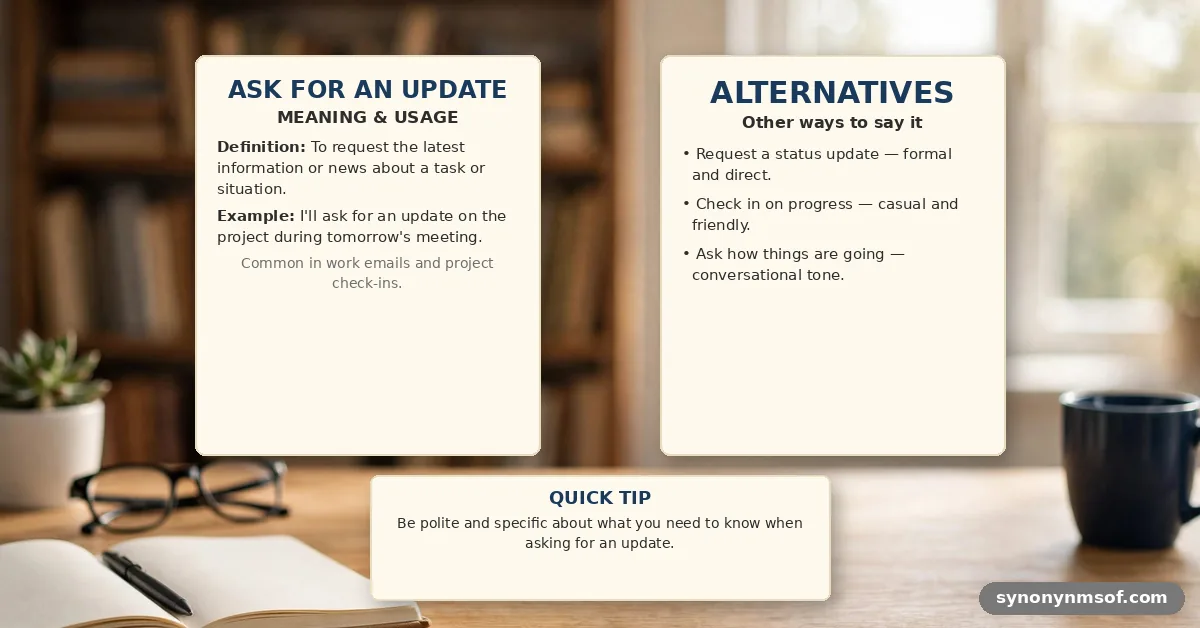
Your choice of language should shift based on who is reading your email. When you ask for an update from a client, you must maintain a high level of deference.
Use phrases like “When it suits your schedule” to show you are not adding to their stress. Clients appreciate when you respect their time, and it often leads to a faster response in the long run.
When communicating with your manager, you can be slightly more direct, provided you frame it around project goals. Focus on the status of the work.
You might say, “I am ready to move to the next phase and would appreciate your input on these items as soon as your schedule allows.” This shows you are proactive and focused on the project’s success.
Common Mistakes to Avoid
The most common mistake is using passive-aggressive language to force speed. Phrases like “I’m still waiting on this” or “As I previously mentioned” rarely produce the results you want. They tend to make the recipient defensive, which often leads to further delays in your communication.
Another pitfall is using all-caps or excessive exclamation points. These visual cues signal aggression and undermine your professionalism.
Always keep your tone level, even when you are stressed about a deadline. If you find yourself writing an email while frustrated, step away for five minutes before hitting send.
FAQ
Is as soon as possible professional?
It is acceptable in casual or internal settings, but it can come across as demanding or impatient in formal or external communications. It is generally safer to use a more polite alternative when dealing with clients or senior leadership.
What is the best way to express urgency politely?
The best method is to provide a specific deadline and explain why that time is necessary. By justifying the need for speed, you make the request about the project’s requirements rather than your own personal impatience.
What is the difference between at your earliest convenience and as soon as possible?
At your earliest convenience is a polite, formal request that acknowledges the recipient’s autonomy. As soon as possible is a more direct, functional instruction that implies the task should be prioritized above others.
How do I ask for an update without being pushy?
Frame the request as an offer of assistance. You can say, “I wanted to check in on the status of the report to see if you need any additional information from my side to finalize it.” This keeps the conversation helpful rather than accusatory.
Maintaining Professional Relationships
Navigating the nuances of communication is essential for long-term career success. Whether you need to ask for an update on a project or request a quick turnaround on a deliverable, the tone you project determines how your colleagues perceive you.
By consistently choosing respectful, clear, and context-aware language, you foster an environment of mutual trust. This makes it much easier to get the responses you need, even when the pressure is high.
Remember that every email you send builds or subtracts from your reputation. When you replace blunt demands with thoughtful phrasing, you demonstrate leadership and emotional intelligence.
Start incorporating these alternatives into your daily workflow to see how they change the quality of your interactions. Developing this skill will serve you well across every stage of your career.
SEO Title: Formal Ways to Say As Soon As Possible: Meaning & Usage
Meta Description: Discover the best formal ways to say as soon as possible. Learn how to use professional language to request updates and manage timelines effectively.
Suggested URL Slug: formal-ways-to-say-as-soon-as-possible
Primary Keyword: formal ways to say
Primary Keyword: formal ways to say as soon as possible
Secondary Keywords: professional ways to say as soon as possible, polite ways to say as soon as possible, ask for an update, workplace communication